Columbus Citizen-Journal
The Minds of Billy MilliganColumbus Citizen-Journal was the newspaper that first made Billy Milligan’s multiple-personality diagnosis public, breaking a secrecy that prosecutors, defense lawyers, and treating professionals had sought to preserve. Its reporting turned a confidential clinical and legal matter into public news, and its later coverage of a leaked hospital report intensified the exposure surrounding Milligan and his case.
The diagnosis and the boundary of secrecy
Until September 1978, the diagnosis was known only to the people treating Milligan, the prosecutors, and the judge. The public defenders wanted it kept confidential because a media event, they believed, would make treatment more difficult and complicate the effort to try the case. Prosecutor Bernie Yavitch agreed that he should not disclose the diagnosis when it had not been raised in court.
That boundary ended on the morning of September 27, when Columbus Citizen-Journal broke the story with banner headlines. The report described personalities as fused for trial and claimed that ten people existed in the accused man. In a case whose central clinical language had until then been restricted to treatment and legal settings, the newspaper gave the diagnosis a public identity.
Immediate response to the first report
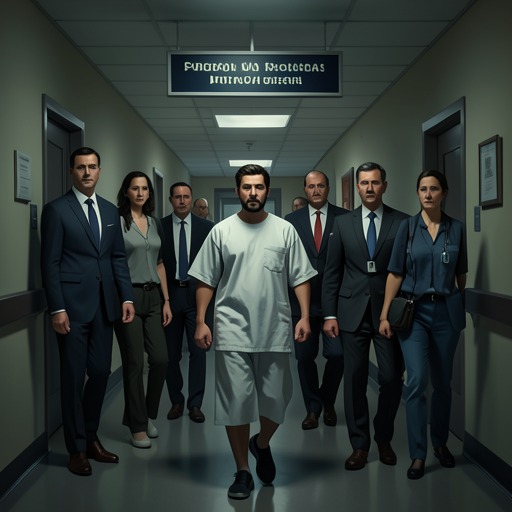
When news of the story reached Harding Hospital, staff encouraged Milligan to tell the other patients before they heard it elsewhere. He told the group that he had been charged with the crimes but was unsure whether he had committed them, since he had been defused at the time. The evening television news carried the story as well, and Milligan went to his room in tears. The episode shows how quickly the diagnosis moved beyond the courtroom and hospital: the newspaper’s disclosure was followed by wider broadcast coverage and became news within the ward itself.
The leaked hospital report
On October 4, Columbus Citizen-Journal reporter Harry Franken broke a second major story about Milligan. He had obtained a copy of the Harding report from an unnamed source and approached Gary Schweickart and Judy Stevenson for comment, telling them he intended to publish. They informed Judge Jay Flowers, who decided that the report should also be released to the Columbus Dispatch. Since it had already been leaked, the public defenders agreed to comment.
The accompanying coverage included photographs of paintings that Gary Schweickart had brought back from the hospital: Moses about to break the tablets of the Ten Commandments, a Jewish musician playing a horn, a landscape, and a portrait of Adalana. The report’s passage from a hospital document into newspaper coverage made Milligan’s clinical record part of the public presentation of the case, while the paintings supplied images through which readers could encounter his work as well as the diagnosis.
Publicity and its personal cost
The newspaper stories upset Milligan. In his final session with Dr. Kocan, he expressed fear about what other prisoners might do to him now that the news had disclosed a lesbian personality. He also worried that, if found guilty and sent back to Lebanon, he would die. His reaction makes the stakes of publicity concrete: disclosure did not remain an abstract dispute over confidentiality but changed what he feared about returning to custody.
Columbus Citizen-Journal’s two major reports mark successive breaches in the case’s privacy: first the public revelation of the diagnosis, then publication of material from the hospital report after an unnamed source had leaked it. The account records both the newspaper’s role in making the case visible and the distress Milligan experienced as that visibility spread.